
Most trips to Belize follow familiar routes. Time on the reef. Cabin near the jungle. Mayan ruins along the way. Many travelers leave believing they have visited this country.
What most people don’t realize is that the southernmost regions are still ahead of them.
Toledo is on the far side of Belize, where the roads narrow and the land becomes quieter. The forest is adjacent to the highway. Rivers cross without warning. The village appears briefly, then disappears into the woods. There are no arrival signs for tourists. You don’t get into Toledo easily. All you have to do is enter.
It was left off the itinerary due to lack of spectacle. It also preserves exactly what travelers are now starting to look for.
area in focus
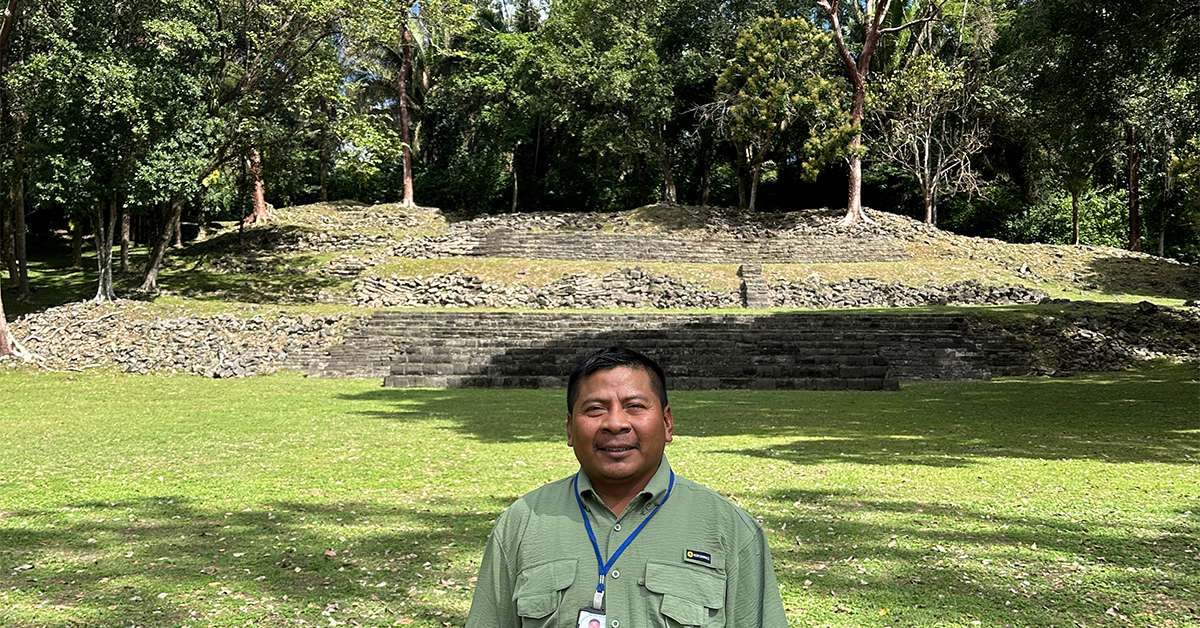
“Tourism is very important to Belize and our communities,” said Jose Maia Mayan community leader in the Toledo district. “This is one of the country’s major industries.”
Belize’s economy has long relied on tourism. Toledo’s relationship with it was more gradual.
“Tourism here is not new,” Mai said, “but Toledo is still one of the least visited areas and one of the areas where tourism is still growing.”
This development is happening quietly. Small hotels are open along the river. Villages decide whether and how to receive tourists. Tourists come here not because Toledo is heavily promoted, but because the news is spread differently now. People’s eyes are no longer limited to familiar sites.
Toledo is not waiting to be discovered. It just goes on and on.
What travelers will find when they arrive
“The Toledo area is very unique,” Mai said. “We have a lot to offer and a lot of natural resources.”
These resources are found throughout rainforests, rivers, caves, waterfalls, national parks, and Mayan ruins, but what makes Toledo unique is their close connection to everyday life.
“We have caves, archaeological sites, national parks and Mayan life experiences,” he said.
The rainforest stretches straight into the Caribbean Sea. The river remains in its normal course. The waterfall is located off the road that people already use. Mayan ruins maintained close ties with the communities that maintained them.
“We also have waterfalls and protected areas,” Mai said. “There’s a lot of different activities here.”
Nothing exists just for tourists. This is the first thing travelers notice.
Share culture on your own terms
“In Mayan communities, cultural practices are very personal,” Mai explains. “Many people are understandably reluctant to share them because their lifestyles are private.”
Participation is optional. Not every village is open. Not every home hosts. When this happens, the exchange remains direct.
“One of the things we’re doing right now is what’s called the Mayan Life Experience,” Mai said. “Visitors experience how we live, how we interact with the natural environment, and what nature means to us.”
Guests prepare food, eat together, and learn how to use everyday ingredients. Palm fibers turned into baskets. Seed becomes art. When the day is over, the visit is over.
“Our intention is to open up our home and share how we live, what we do and how we use the resources around us,” Mai said in an interview. caribbean magazine.
place where tourists stay
Accommodation follows the same approach. “There are homestays,” Mai said, “but most tourists stay in small hotels and resorts in towns and villages.”
These are modest, locally owned properties, often located near rivers or forest edges. Meals depend on available food. The owner is present. Conversation spread across the table. Living here feels one with the place rather than separate from it.
Why access is important
“Tourism already contributes to our community,” Mai said. “Visitors support us by taking part in events and learning about our culture.”
The contribution remains local. Guests buy handmade products made from palm trees and seeds. Community-managed Mayan ruins accept donations to help with maintenance and conservation.
“When tourists experience Mayan life, they often buy the crafts we make,” Mai said. “This support directly helps our families.”
The need in the region remains evident. “In the Toledo district, there are 39 to 43 Mayan communities,” Mai said. “Many of them still don’t have access to electricity or basic infrastructure.”
Sometimes visitors give more. “I remember when I was a community leader,” he said. “Visitors understood our needs and later helped us renovate community buildings and provide supplies for schools.”
Swapping is still simple. Visitors arrive. They participate. They left behind something meaningful.
Why Toledo is next
“We need more information about what Toledo has to offer,” Mai said. “The resources have arrived.”
The information has begun circulating. Travelers are looking for places that stay intact and personal. Toledo fits the moment because it isn’t reinventing itself to attract attention.
Belize’s southern region has never been hidden.
Everything is quiet.
Now, travelers are starting to take notice.