
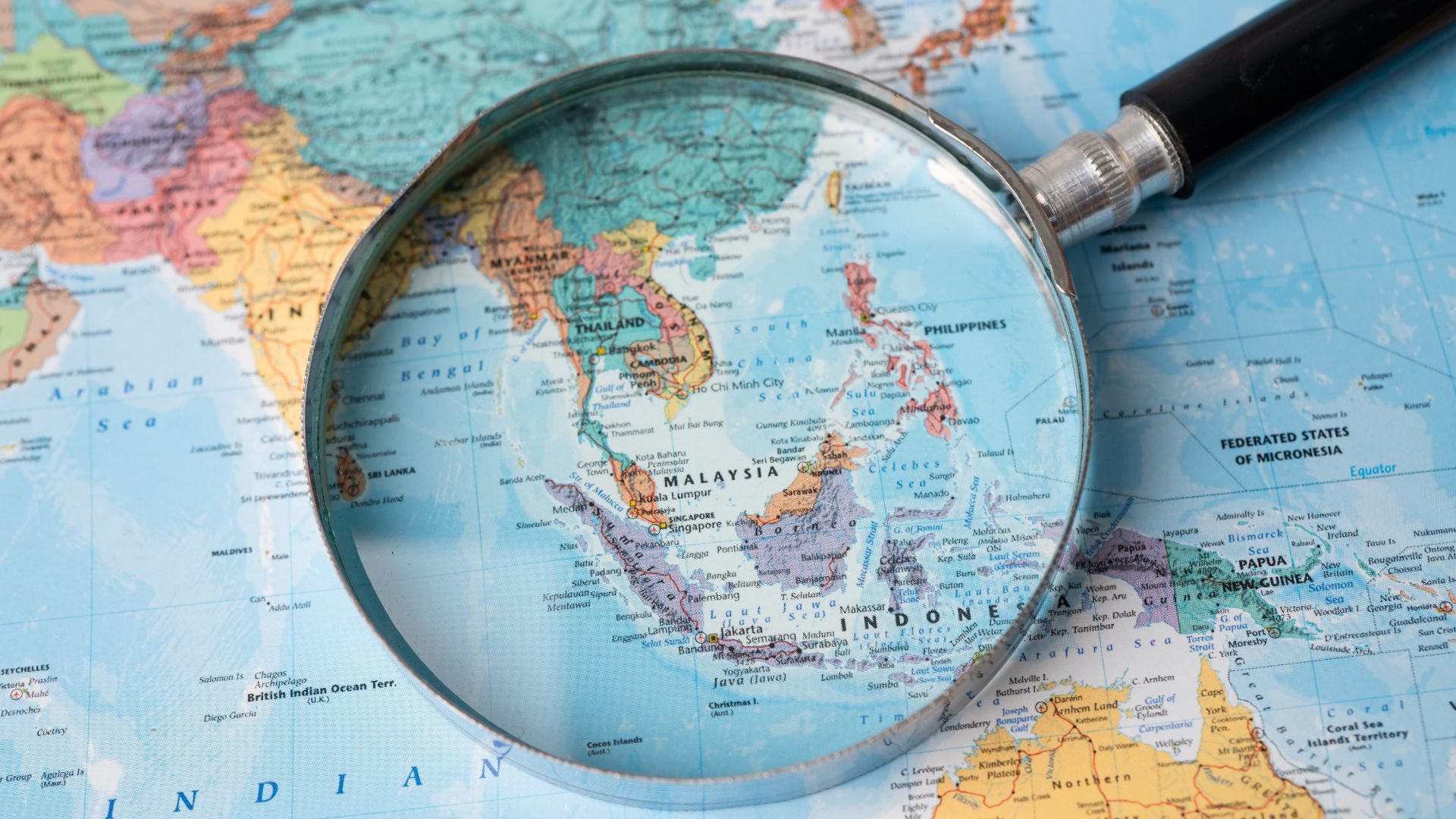
Traveling from one country to another often means crossing borders, switching networks, and adapting to new apps, currencies, and transportation systems. Many travelers underestimate how quickly mobile data is used for map reloads, app updates, and mobile bookings. Planning your data usage before traveling can help avoid running out of data during your trip.
This article explains how travelers can manage mobile data across multiple countries, what causes unexpected data usage, and how to prepare your device before traveling. Many travelers review eSIM plans, including Asia eSIM Plan Estimate usage before you go, manage your data more efficiently, and stay connected while traveling across the continent.
Why international travel requires more data
When travelers enter a new country, their phone connects to the new network and the app refreshes in the background. This allows data to be used even if the phone is not used regularly. When network changes occur, map reloads, email sync updates, and travel apps refresh booking details. These small background activities can increase total data usage. Travelers who frequently travel between countries should plan for higher data usage than when traveling within a single country.
Map reloading and persistent navigation
Maps are one of the most widely used data sources during travel. Every time a traveler moves to a new area, the map reloads with new location, route, and traffic data. This happens frequently when traveling between cities, airports, hotels and tourist attractions across the country.
Ways to Reduce Map Data Usage
- Download offline maps before traveling
- Save hotels and important locations offline
- Use navigation only when needed
- Avoid leaving maps open in the background
These small steps can help travelers reduce data usage while traveling across the continent.
Language barriers increase data usage
Language differences may be one of the reasons for the increase in mobile data usage. Travelers often use translation apps, voice search, and image translation tools to read menus, signs, and traffic information. These applications use internet data every time a translation request is made. Travelers who visit different countries tend to use translation apps frequently during the first few days. Planning extra data for translation apps can help travelers avoid running out of data in important travel situations.
Application Usage and Regional Platforms
Many countries use regional super apps for transportation, food delivery, payments and bookings. These apps run multiple services on a single platform, which means they use more data than basic apps.
There’s no doubt that travelers will find themselves using at least one of the following when traveling:
- Transportation booking app
- food delivery app
- Digital payment apps
- Hotel and flight booking app
These apps frequently refresh location, payment status, and booking details. Travelers on eSIM plans should consider app usage when estimating their total data needs for their trip.
Application updates on new networks
The App Store sometimes starts updating automatically when the phone is connected to a new network in another country. These updates can consume a lot of data without travelers noticing because many apps update in the background. Travelers should turn off automatic updates before embarking on a trip across different countries. Updating apps over hotel Wi-Fi instead of mobile data helps travelers save a lot of data during multi-country trips. It’s also helpful to have your maps, payment apps, and booking apps updated before you go.
Shipping times and dead zones
Traveling in transit also affects data usage in ways that many travelers don’t expect. Airports, trains, and highways sometimes have weak signal areas, and the app will repeatedly try to reconnect. During long journeys, this repeated reconnection can consume additional data and battery. Travelers moving between cities should download tickets, hotel details and maps before embarking on their transit trip so they can access important information without using mobile data.
Data planning based on travel mode
Different modes of travel lead to different data usage patterns. Travelers who work remotely, upload content, or participate in video calls use more data than those who only use maps and messaging.
Usage-based data planning differs in the following ways:
- Light users need map and message data
- Medium users need social media and booking apps
- Heavy users need hotspot, video calling and uploading
- Content creators need large or unlimited data plans
Choosing the right plan based on travel style can help travelers manage their data effectively while traveling across the continent.
Traveling in Asia becomes easier when travelers understand how data is used in different situations. Maps, translation apps, app updates, and transportation all impact data usage more than expected, so many travelers choose the right eSIM plan after estimating their usage across multiple countries. This helps them have stable internet while traveling, fewer data issues, and more control over their connection throughout their journey.