
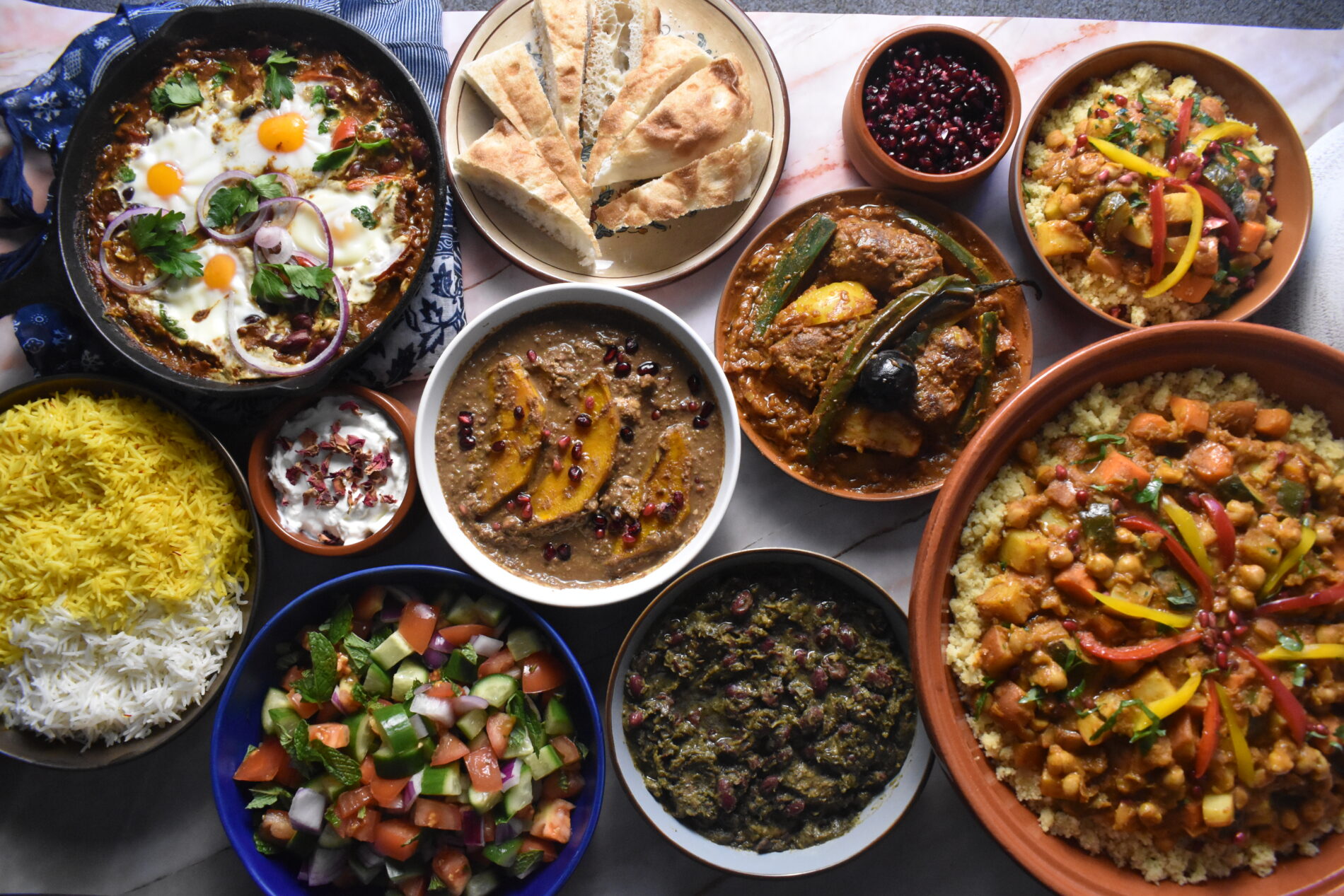
There is something quietly powerful about the dinner table.
Long before we debated opinions, defined ourselves by politics, religion, nationality or background, we did something very human. We sit down. We eat. We pass the plates around. We share stories. We offer a little more to someone.
At that moment, the distance between people will become closer. Food has always had this ability. It does not require consent. It doesn’t require people to explain everything about who they are or where they come from. It just creates an invitation.
Come on in and sit down. Try this.
For me, this invitation has always felt very personal.
I immigrated to Australia from Iran in 2008. Like many immigrants, I packed my suitcase with practical things but also the unseen: memories, language, traditions, family stories and a taste that made me feel at home.
When you’re starting over in a new country, food can be your backbone. It has the flavor of your childhood kitchen. It brings back the rhythm of family gatherings. It reminds you of who you are, even when you’re trying to figure out where you belong now.
But over time, I started to realize that food was more than just a way to maintain my identity. It’s also a way of sharing.
That changed when I was cooking Iranian or Middle Eastern food for friends in Australia. Those who know little about Iran, Persian culture, or the wider region may be curious. They will ask about spices, ingredients, dish names, and how to serve it.
Food does not erase all the differences between us. It does something more subtle and perhaps more important. This makes these differences approachable.
dining table as common ground
Social cohesion sounds like a big and complex idea. It belongs in policy documents, community plans and public conversations. But I think it also lives in much smaller places.
It exists in the moment when the neighbor brings the food.
It exists when children first taste food from another culture.
It exists when someone asks, “How do you do this?”
It exists in the shared silence when everyone is enjoying the same meal.
To me, social cohesion does not mean that we all become the same. It means we can be different and still feel like we belong together. This means that we can preserve our own culture, language, memories and traditions while also making space for the cultures, languages, memories and traditions of others.
Food provides us with a practical way to do this.
Eating together does not erase religious, cultural or political differences. But it can soften the atmosphere around you. It helps people communicate as human beings before expressing their opinions. It reminds us that behind every culture there is a family, a kitchen, a recipe, a memory and a story.
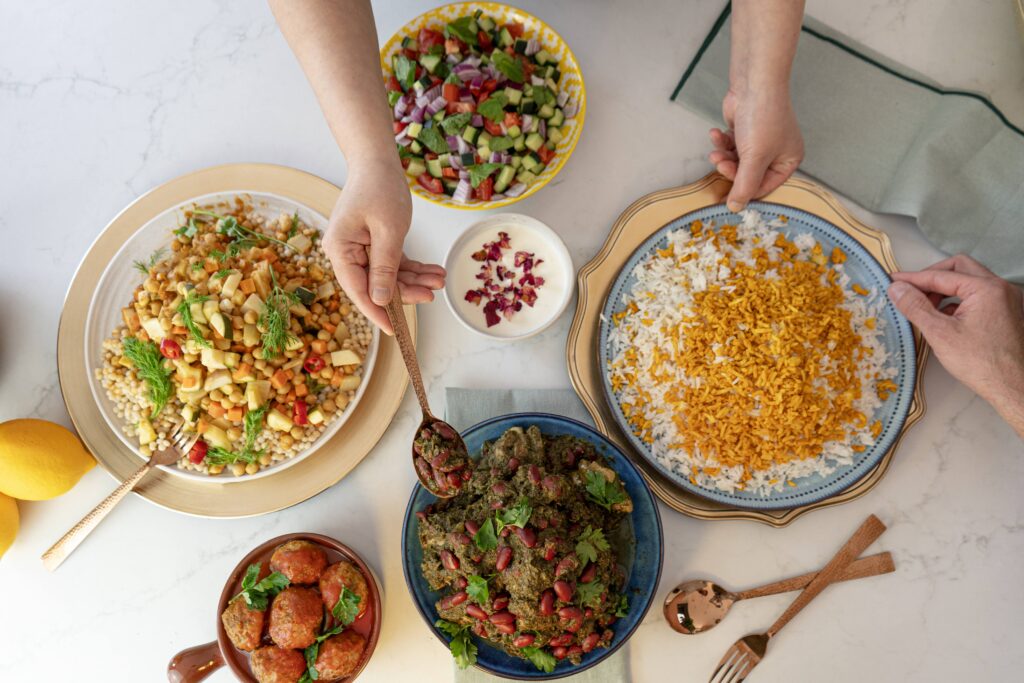
Food as care, memory and ritual
In many cultures, certainly in Iranian culture, food is one of the clearest expressions of care.
When people come to visit, you feed them. You feed them while they celebrate. When they are sad, you feed them. You send them home with the leftovers. You insist they have more, even though they say they are full.
It’s more than just hospitality. This is the language of emotion.
Food says: I see you.
Food says: Welcome here.
Food says: Stay a little longer.
In this way, food is more than just nourishment for the body. It is also a form of memory, comfort and connection.
Rituals around food are also important. Cut herbs. Stir a pot. Set the table. Put something in the center for everyone to share. These are small actions, but they slow us down. They demand our presence. They create a moment of pause in this ever-changing world.
I think this is where food is naturally connected to our sense of well-being. Not because every meal needs to be perfect, healthy, or fancy, but because the act of cooking and eating together can restore something within us.
It can bring us back to each other.
Make culture more accessible
One of the reasons I started Exotic Bazaar was because I saw how curious Australians were about Middle Eastern food, but also how intimidating it could be.
People will tell me they love the flavors, but they don’t know where to start. They weren’t sure about the spices. They worry that the ingredient list is too long. they worry
Got it wrong.
I want to make the first step easier.
Exotic Bazaar is designed to help everyday Australian home cooks experience the flavors of the Middle East in an approachable, practical and exciting way. Not watered. Not deprived of stories. Just easier to bring into a busy modern kitchen.
Because sometimes, the barrier between cultures is not unwillingness. Sometimes it’s just unfamiliarity.
If we can make strangers feel welcome, we create space for curiosity. Curiosity is often the beginning of connection.
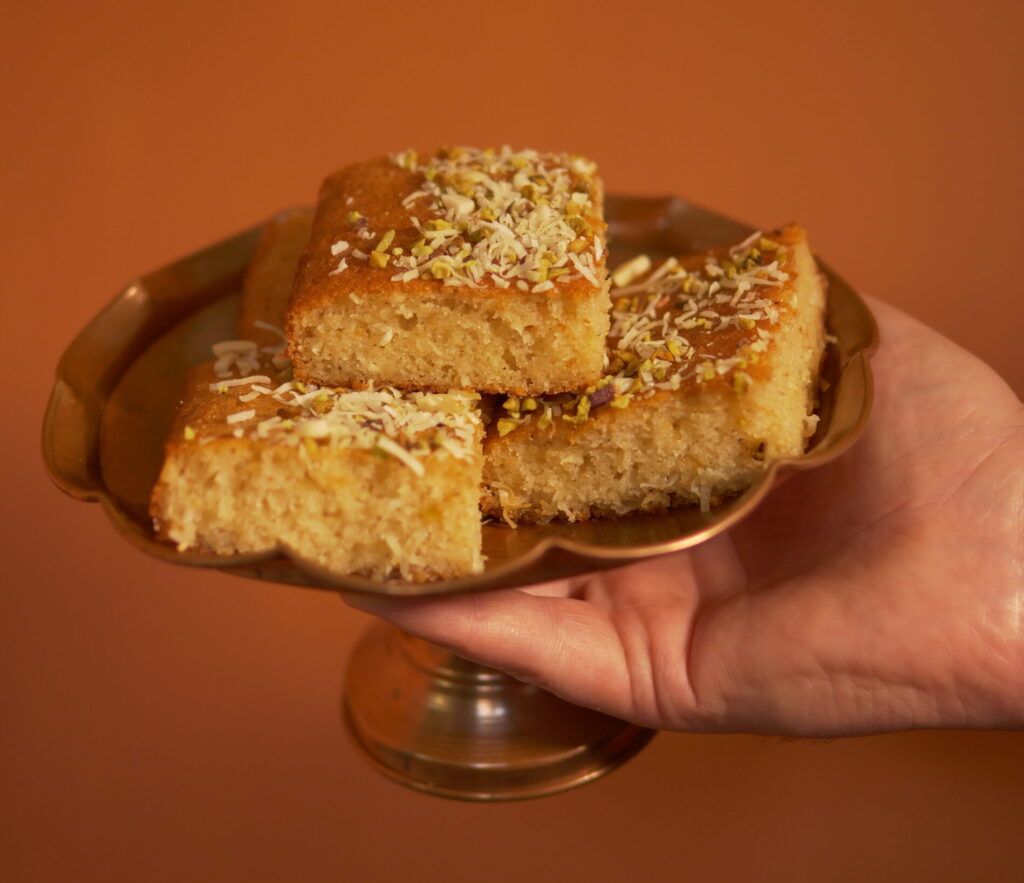
A small business with a bigger purpose
Of course, Exotic Bazaar is a food business. We create meal bases, spice mixes and products designed to help people create delicious Middle Eastern-inspired meals at home.
But for me, it always had a deeper purpose.
Every time someone picks up one of our products, cooks something they’ve never tried before, and shares it with family or friends, a small cultural exchange happens. it may
They are ways in which culture becomes less distant.
This is how children normally see differences as they grow.
This is how families discover their new favorites.
That’s how stories get told.
So it makes perfect sense to see our products on Coles shelves. For a small, founder-led brand, this is a significant business milestone. But it’s also emotional. This means Middle Eastern flavors are already on everyday supermarket shelves and available for daily use in Australian households.
This visibility is important.
It is said that these flavors belong here too.
A sense of belonging starts from ordinary moments
When we talk about belonging, we often make it sound like something big and abstract. But belonging is often built through mundane moments.
Be invited in.
Being offered food.
Asked for your story.
It was the first time I heard someone pronounce the name of a dish.
Watching children enjoy the taste of their parents who have not grown up.
See that your culture is not something foreign or separate, but part of the fabric of everyday life in Australia.
These moments are small, but they add up. They shape how we see each other.
Maybe that’s why the dining table is so important. It gives us a place to practice connection. It provides us with a place to slow down, listen, share and belong.
Not perfect. It’s not always easy. But sincerely.
In a world increasingly divided, distracted and quick to judge, sharing food remains one of the easiest ways to start over.
Maybe social cohesion doesn’t always start with grand gestures.
Maybe start with a meal.
a table.
A story.
A little curious.
Simply say, “Try this. This makes sense to me.”
By Gilava Pour
Founder of Exotic Bazaar