
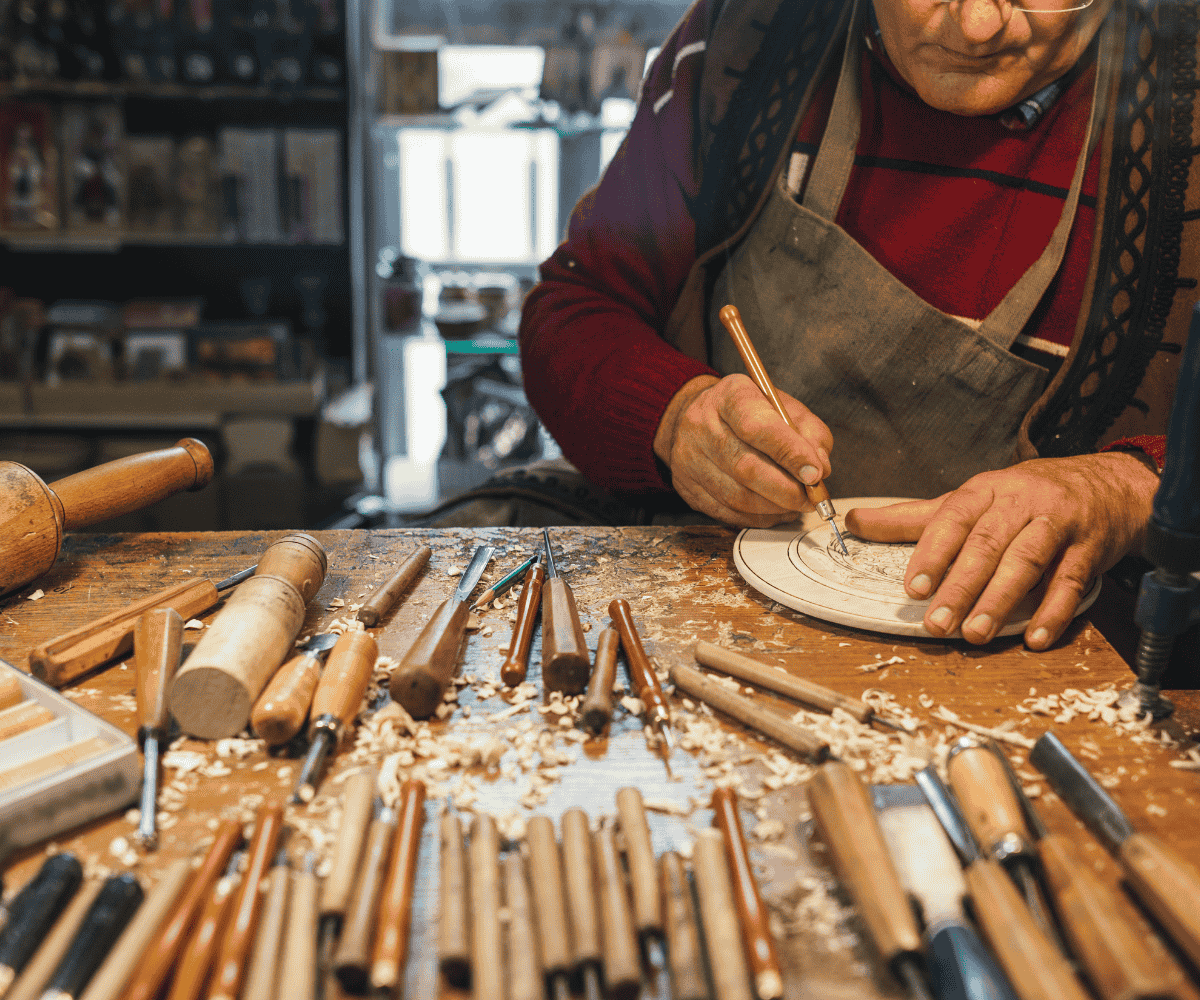
What gives a place its unique identity?
A few years ago, while hosting a couple from the United States, Aloha Luxury New Zealand TourI took them to Whanganui to see the glass blowers; it wasn’t on their itinerary but happened to be on the main route we followed. Given our previous conversations about artists, I have a feeling they would appreciate something similar. So, after breakfast we drove to a studio and the artist was still working when we arrived.
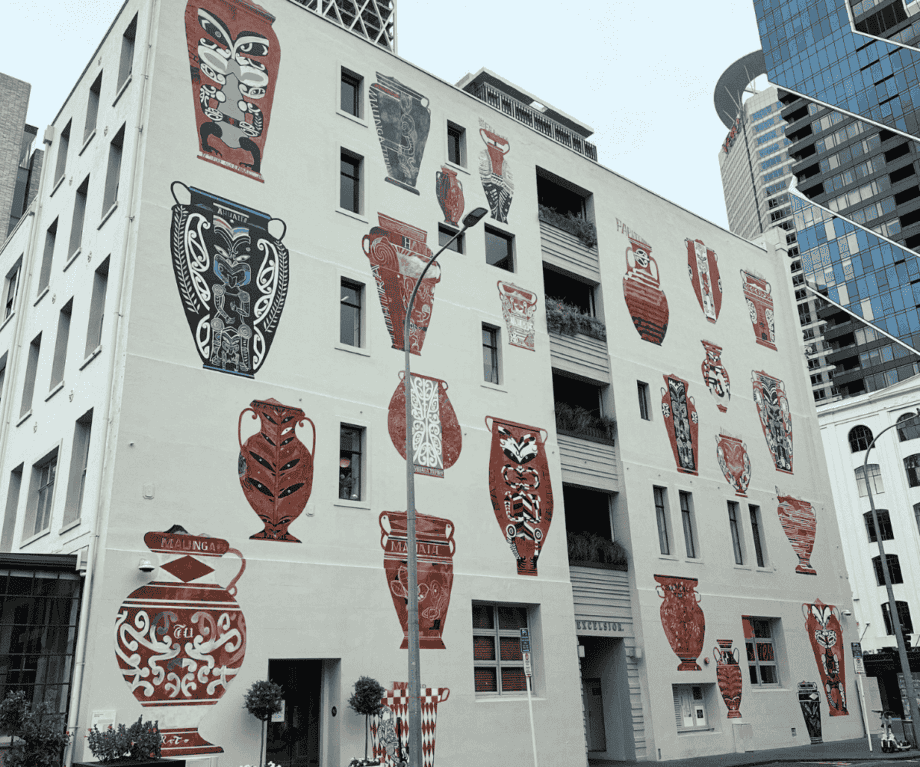
His studio is exactly what you hope it will be; it’s authentic, although not designed specifically for tourists. All his shelves are filled with finished products, half-finished products, and experiments that have clearly gone wrong. I remember walking in and wondering if the couple would notice the dust in the corner. His tools are arranged the way one would leave them when one is more interested in the work than the appearance. Yet he welcomed us in, showed us a vessel he had been refining for months, held it briefly to the light, said a few words about color, and then continued what he was doing.
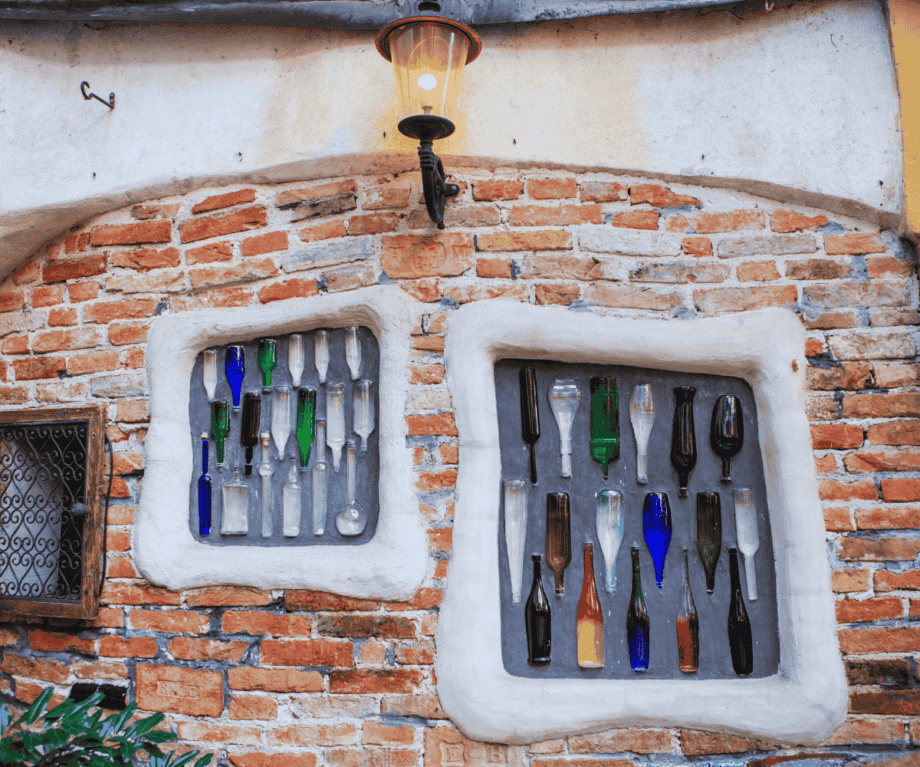
The experience was noteworthy because there was no show, sales pitch, or planned talk about his “process.” It is a spontaneous gathering of people from different walks of life who find harmony in beautiful artistic expression. On the way back, I remember someone saying it was the best time of their trip so far. Luckily we only stayed for three days!
Meet the people behind the area
Over the past few years, I’ve noticed a change in the questions guests ask before arrival. Of course, people are always interested in scenery because New Zealand is famous for its scenery. But more often than not now, people want to know if they can spend time with someone who actually does something. The winemaker is in his workspace, not just a sommelier at the tasting counter, or a jeweler in the studio. Still hand-dyed by a textile artist or furniture maker, wood is stacked outside with sawdust on the floor.
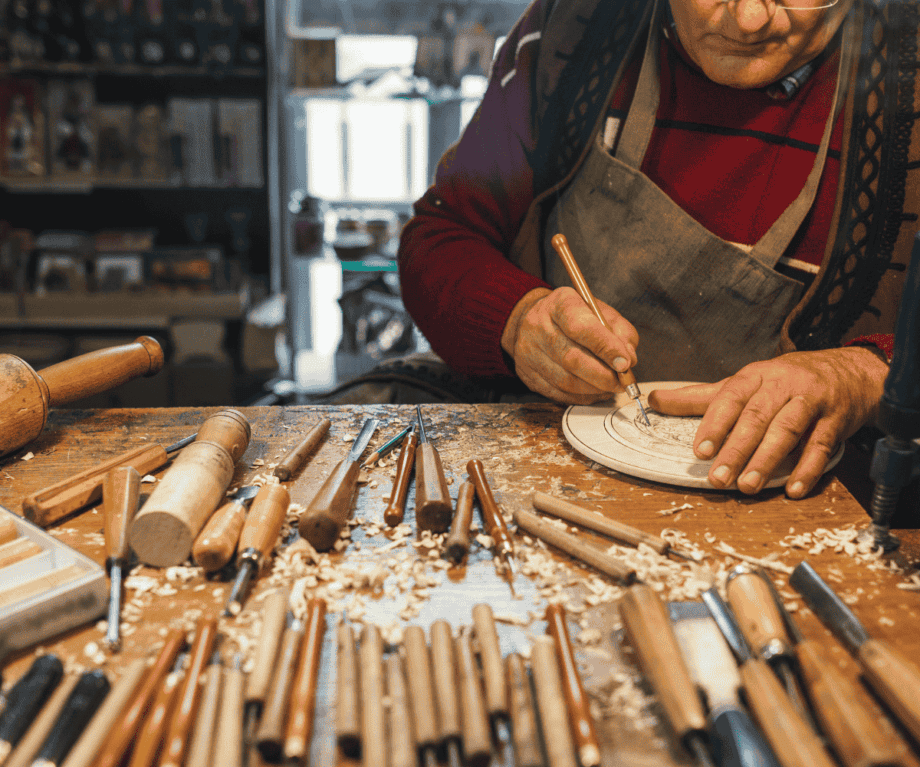
A guest recently asked me if I knew anyone who was “still doing some real stuff,” and I knew exactly what he meant.
There is a type of traveler these days who has no real interest in collecting highlights. It’s not that they are uninterested in beauty, quite the contrary. They simply don’t need to turn every beautiful thing into an object. At some point, the scenery, the photos, and then getting back in the car, starts to feel thin, especially for those of you who have been to a lot of places and know the difference between seeing a place and experiencing it.
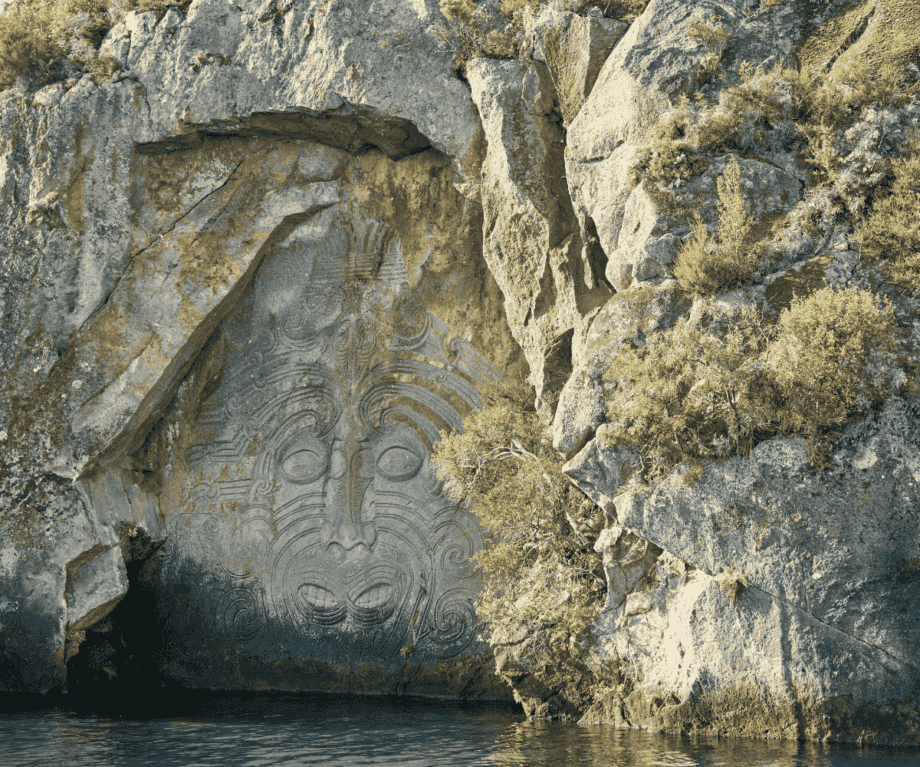
After many years in the travel industry, I am wary of the tendency to over-name things. Most things described as transformations actually turn out to be smart marketing and good timing. But it does feel real to me, in large part because I’ve been watching it happen in small ways.
Visit changes experience
New Zealand lends itself to this quiet appetite because a lot of the good stuff here remains a bit out of sight. Whanganui is just one example. Nelson is another place known for its sunshine, natural beauty and national parks, and has a thriving arts scene. As a tour guide, the most important thing for me is the huge community of working artists; potters, jewelers, printmakers, weavers, woodworkers, not all of whom are interested only in being discovered. That’s part of the reason why the experience is still intact when you visit.
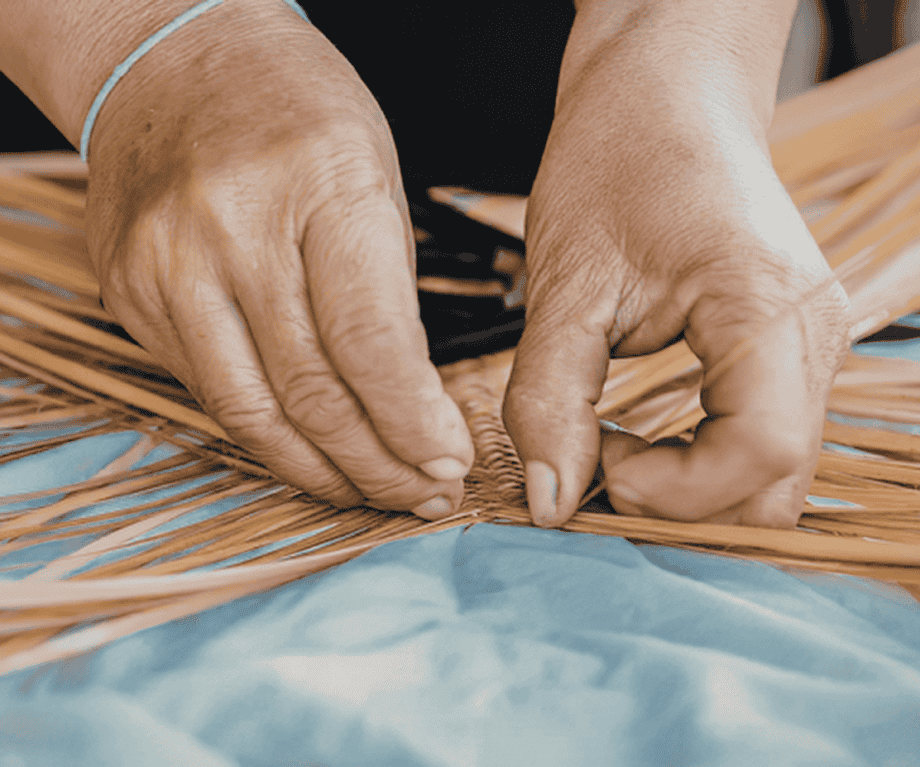
Central Otago has its own version. Especially in the fall, the richness there extends beyond vineyards and lunch spots. There are plenty of artists working out of old sheds or purpose-built studios with open doors. One of my favorite artists always said, “People do their best work where the natural conditions are not entirely benign.”
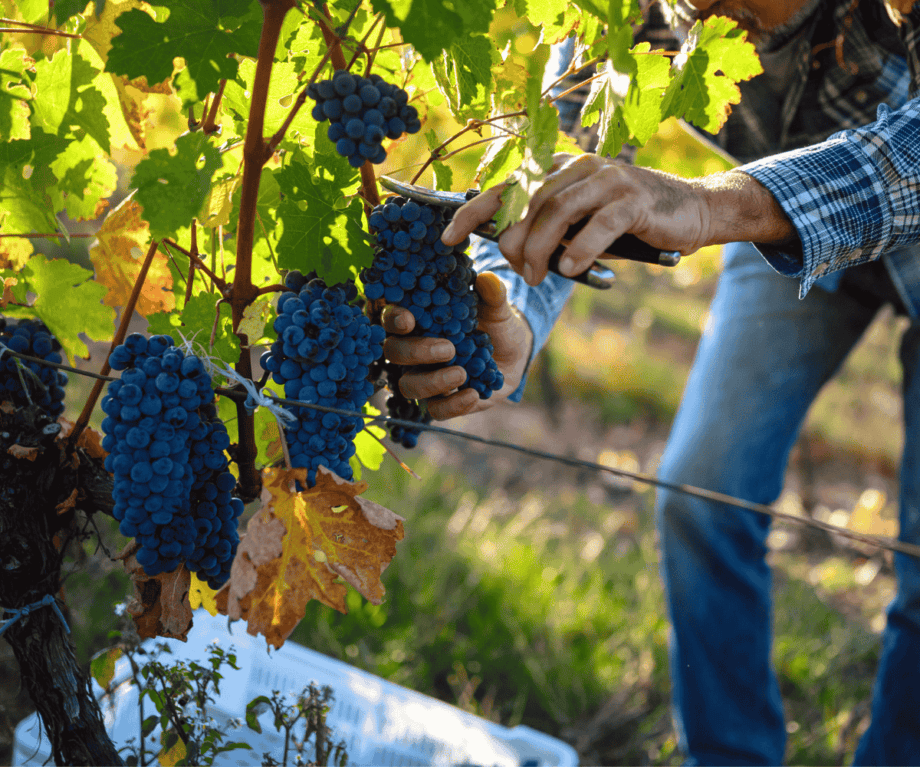
Even the Marlborough Sounds, often thought of as picturesque, produces food and wine with a local flair that’s hard to fake. The good producers out there talk in very precise terms about light, exposure, salt in the air, the changing of the seasons and what happens after a wet spring. And, interestingly, you realize that you’re hearing the same concerns you would hear in an artist’s studio. Just point somewhere else.
The common denominator is not strictly “culture”; It’s immersing yourself in someone else’s space.
It strikes me that this is what a lot of people are looking for right now, even though they don’t always express it that way. They want to return home feeling closer to the life, rhythm and people of a place. Not in a stagey or intrusive way, just a subtle “behind the scenes” feeling. It’s enough to understand how a region thinks about the people who work with their hands, their materials, their weather, their seasons.
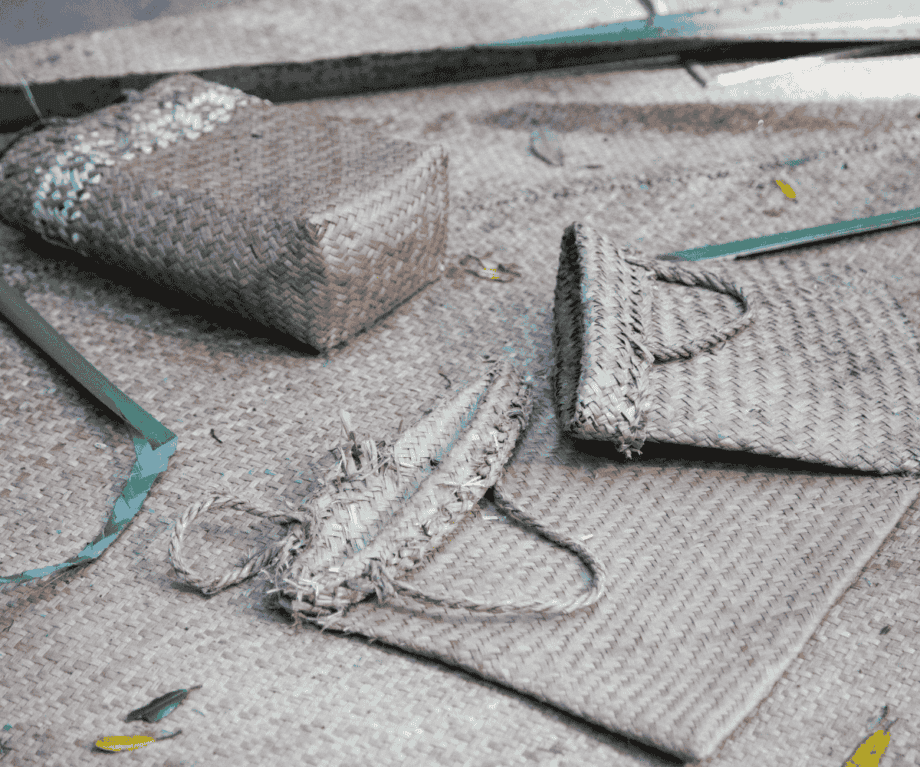
This kind of trip cannot be rushed. This is probably the least glamorous but most important part of it. An hour with the right people is more effective at getting from one stop to the next than a whole day, but only if no one looks too closely at the clock. When people feel rushed, they become polite rather than curious, conversations feel forced or stilted, and communication is superficial.
Everything you need to plan your trip in 2026
Culture is often reflected in the details
When I design tours around art, design, food, or artists, I almost always leave more room than the guest expects. This is not empty time; The conversation goes somewhere interesting, or someone wanders a small distance over an object.
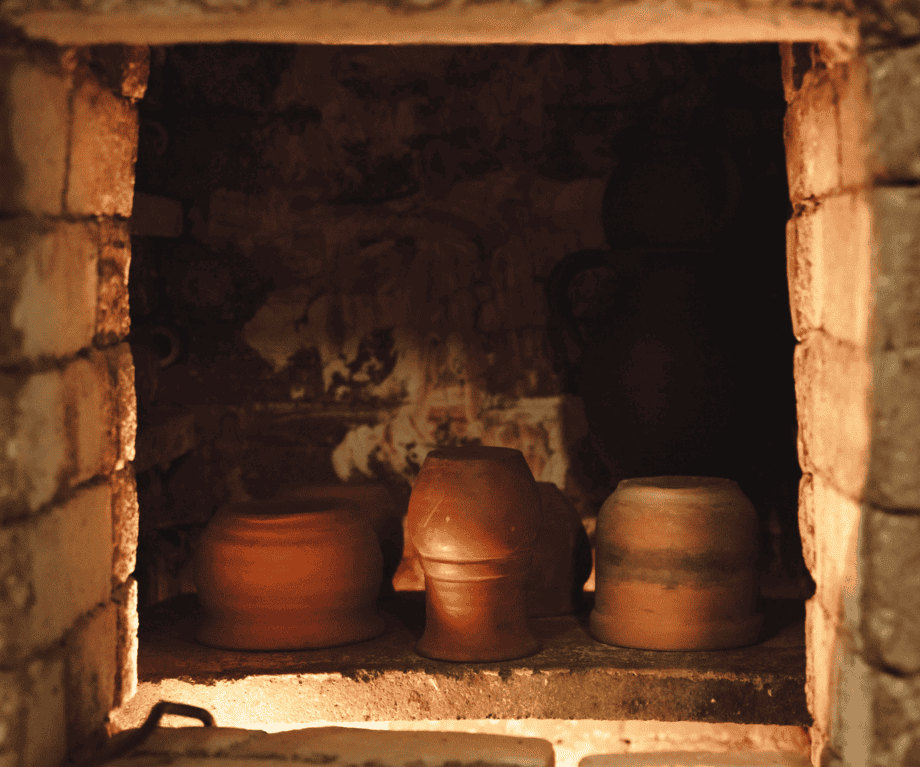
This doesn’t change the fact that guests travel long distances and want to make the most of their time; that’s understandable. But in this part of the world, making the most of your time rarely means wrapping it up tightly. This usually means taking it easy for the day.
One of the tour guides I work with in Central Otago has family history in the area. When he talks about a station, a valley, a home, or even a grove, the visitor immediately senses that he is not repeating information. He spoke out of familiarity. This changes the quality of attention in the team. Because people listen differently when they feel like they’re hearing something honest and sincere.
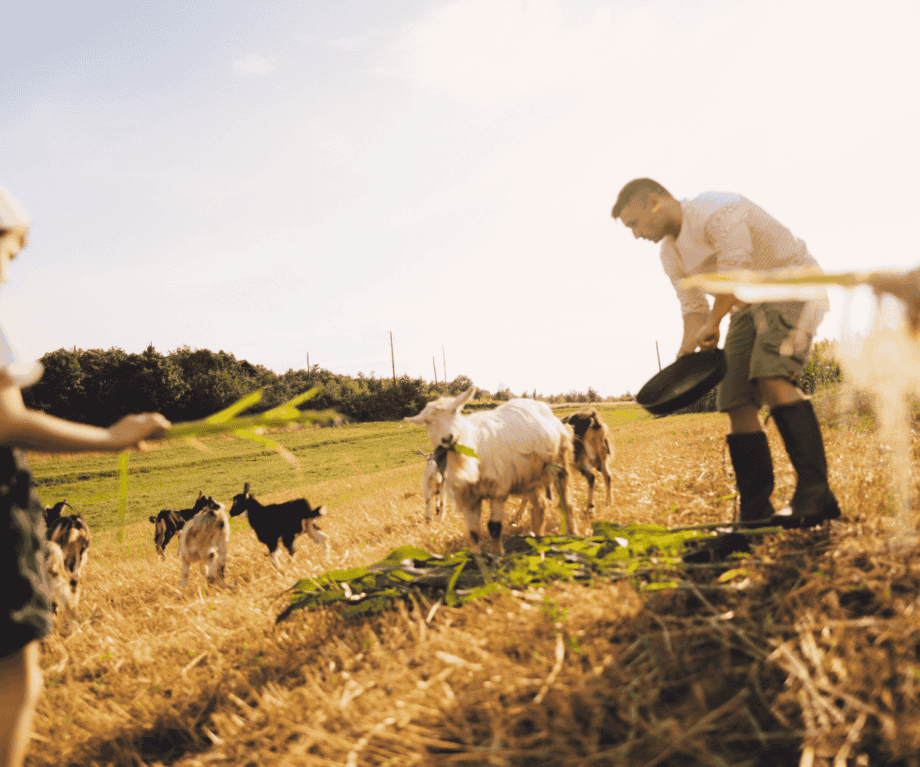
The same goes for a visit to a good studio, or a long chat with a winemaker, or lunch at a place where the owners still know exactly which grower supplied the fruit that morning. From the outside, it all looks unimpressive. It doesn’t create big, obvious travel moments, but it’s often what people remember best when they get home.
When the journey has texture, it becomes more memorable
Not everyone travels this way, it’s totally okay to come to New Zealand because of the scenery, the walks, the helicopters, the fishing, the sheer excitement of being here can never be underestimated because New Zealand does it beautifully.
Even in those moments, there is texture and perhaps more human connection; this country has so much to offer. You just have to know where to look and when not to overfill the day.
A few months later, the couple I took to Whanganui sent me a photo of a piece by a glassblower that had arrived shortly after they got home. It sat on a shelf in the living room, bathing in the afternoon sun. I honestly appreciate that. Not because they bought something, but because it tells me that time has stayed with them. It follows them home and becomes part of their daily lives. As a keepsake, this is as powerful as a photo showing you were in the right place at the right time. Contact Aroha Luxury New Zealand Tours to plan your next meaningful travel experience.

Did you like this article?
Get content like this directly to your inbox.
Please enable JavaScript in your browser to submit the form