
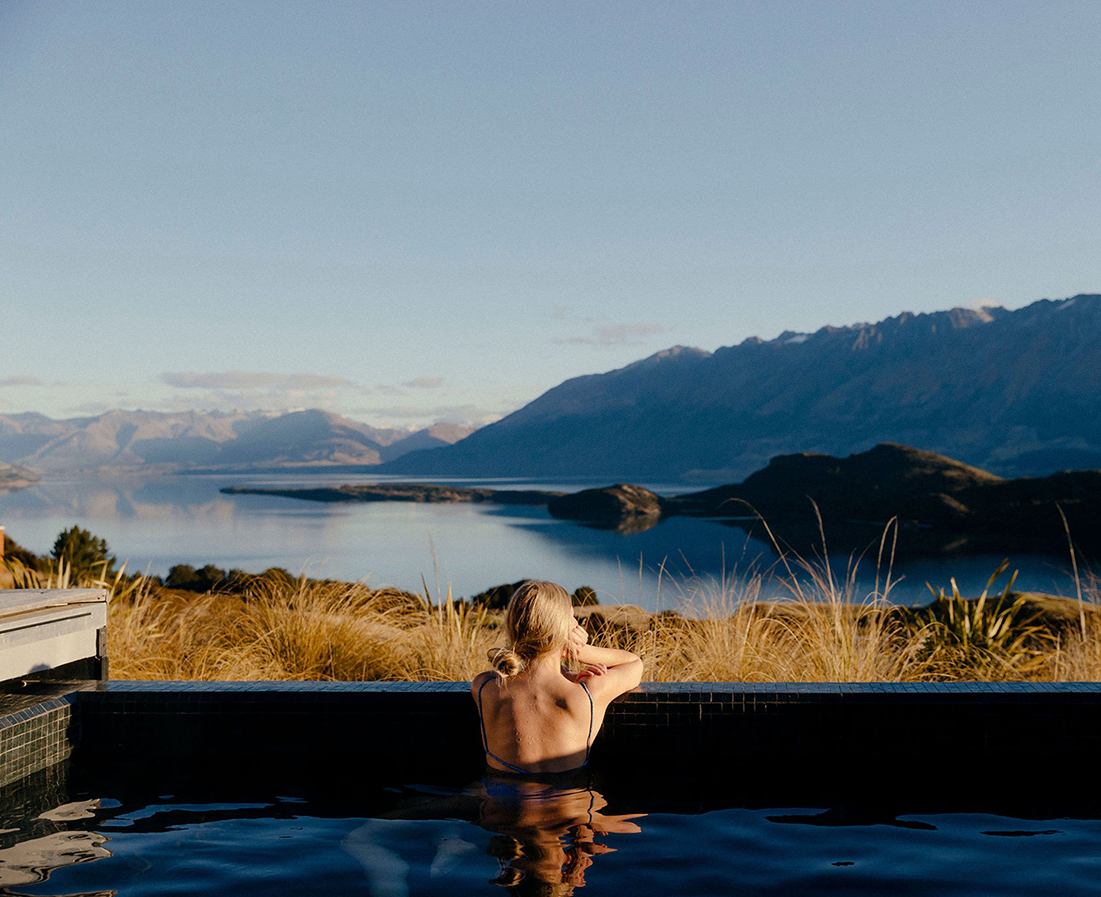
Why time in nature is the most powerful medicine we keep forgetting to take, and five extraordinary retreats make it their entire raison d’être.
Between our screens, schedules, and relentless pursuit of productivity, we forget something pretty important. We are animals. Living things in nature are, by their very nature, irreversible. As we spend our lives in offices, apartments, and airport terminals, our bodies notice—even when our minds are too distracted.
Good news? This therapy is both ancient and completely free. Spending time in nature—real, wild, unfiltered nature—can significantly restore the body, calm the nervous system, sharpen the mind, and uplift the spirit. Research on this is no longer fringe. It’s powerful, replicable and increasingly difficult to ignore.
What science actually says
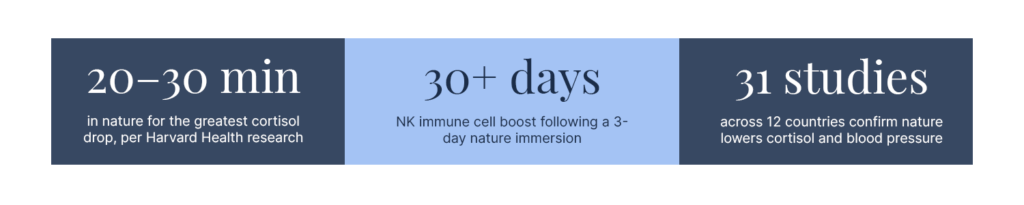
A meta-analysis of 31 studies in 12 countries involving nearly 1,900 participants found that direct contact with the natural environment was consistently associated with significant reductions in cortisol (our primary stress hormone), lower blood pressure, lower heart rate, and improved measures of autonomic nervous system function. These effects are not small—they are clinically significant.
Research from Harvard Health found that just 20 to 30 minutes of immersion in a natural environment led to a significant drop in cortisol, and the benefits continued to accrue beyond that threshold. Specifically, walking in nature was found to be more effective at lowering cortisol than nature viewing and physical activity alone—meaning it’s the combination of exercise and environment that really makes a difference.
“Walking in nature lowers cortisol levels compared to simply viewing nature or engaging in physical exercise. It’s the combination of the two that’s most important.”
— Journal of Environmental Psychology
Neurophysiological studies add more details: forest walking significantly increases activity in the parasympathetic nervous system, the “rest and digest” state that counteracts our chronically activated fight-or-flight response. Blood pressure drops. Heart rate variability improved. Mood improved significantly. A meta-analysis of hiking interventions showed moderate to large effects in improving mood and reducing fatigue.
Then there are phytocides – compounds released by trees into the air that have antibacterial and antifungal properties. When inhaled during forest soaks, they increase the activity of natural killer (NK) cells, which are part of our immune system’s first line of defense. One study found that after three days of natural immersion, increases in NK cell activity persisted for more than 30 days. You go for a walk in the forest; your immune system upgrades itself within a month.
Attention Restoration Theory, one of the leading frameworks in environmental psychology, explains why: Natural environments have what researchers call “soft charm”—effortless, gentle attention that allows our oriented cognitive abilities to recover from the exhaustion of modern life. Complex natural landscapes have also been shown to enhance executive function, increase cognitive flexibility, and reduce mental fatigue. Nature is more than just pleasant. It has neurological restorative capabilities that cannot be replicated in the built environment.
The Japanese government recognized this thirty years ago and officially established Shinrin-yoku (forest bathing) as a preventive health practice in 1982. Japan has institutionalized it, but the rest of the world is only now starting to catch up. A growing number of retreat centers in Australia and New Zealand are being built around this understanding: nature is not a backdrop for health. This is the drug itself.
Five retreats where nature comes into play
These are not retreats that happen to be scenic. In these places, landscape is an integral part of the project – designed, used and understood as a therapeutic tool. From New Zealand’s Southern Alps to Queensland’s ancient rainforests, here are five of the most beautiful rainforests.
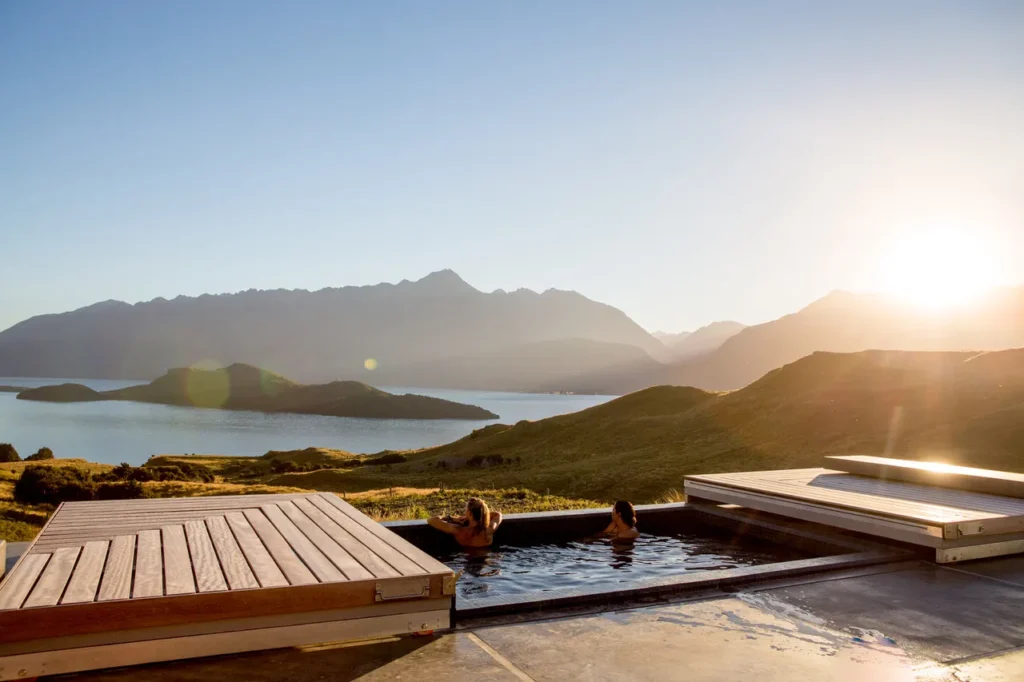
Aloha Health Resort
Glenorchy, New Zealand • Southern Alps • 2025 Spa & Wellness Award Winner
Nestled above Lake Wakatipu at the foothills of the Southern Alps, Aro Ha’s entire concept revolves around the healing power of wild nature. The daily sub-alpine hikes are not an optional extra but a core component. Guests perform yoga and breathing exercises as the sun rises, then spend hours on ridgelines and forest trails to reduce cortisol and reset the nervous system in a way that spa treatments alone cannot replicate. The name means “presence of sacred breath” in Te Reo Māori, and breath is fundamental here: integrated into every hike, every exercise, every shared meal grown in the on-site permaculture garden. Winner of more than 40 global awards in more than a decade in business, including Best Wellness Resort at the 2025 Spa & Wellness Awards, Aro Ha is one of the most beautifully decorated and transformative experiences in the region. A preliminary internal study found that guests’ average biological age dropped by 2.16 years in just six days.
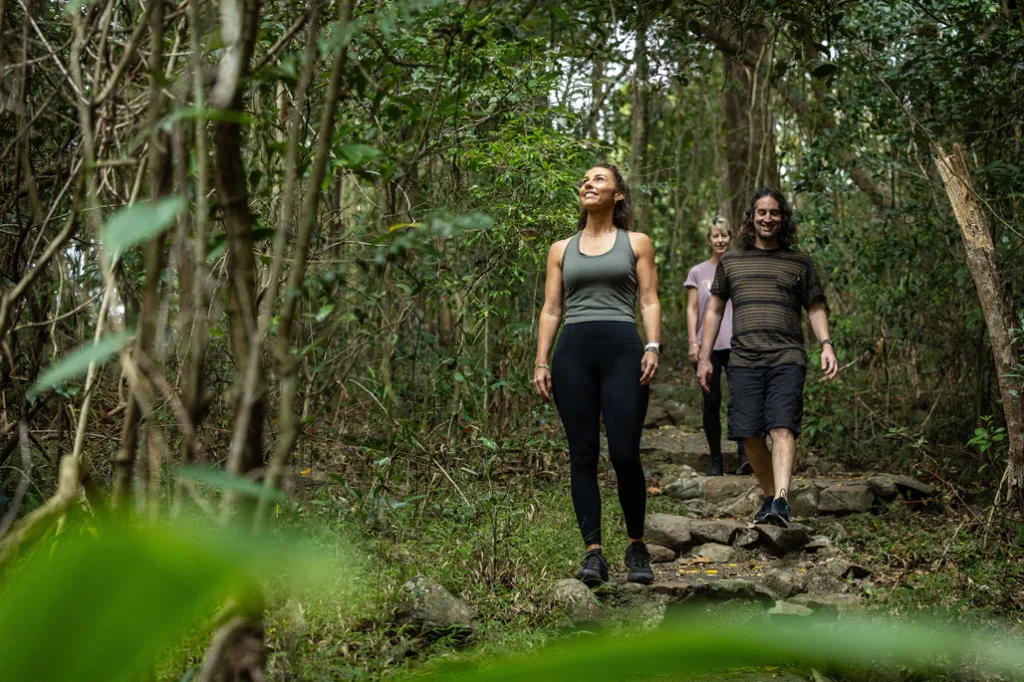
Gwen Anna Lifestyle Retreat
Tallerbugla Valley, Queensland • Gold Coast Hinterland • Best Eco Resort 2024 • Spa & Wellness Award Winner
Gwinganna, which means “lookout” in the language of the local Combmeri people, is located on a plateau in the hinterland of the Gold Coast and offers panoramic views of the Tallebudgera Valley all the way to the Pacific Ocean. Spread over 200 hectares of protected bushland, it is one of Australia’s most acclaimed wellness destinations and a place that values natural medicine. There are seven designated “mountain bathing” stations surrounding the hotel, bringing the Japanese practice of “mountain bathing” into the Australian bush – guests can bring their hammocks to sites specifically chosen for their recovery. Wallabies, koalas, kookaburras and monitor lizards are daily companions. Morning Qigong at sunrise, guided nature walks, extensive organic gardens and one of the largest spas in the southern hemisphere make Gwenana a truly holistic experience. It has ecotourism certification and runs two- to seven-night programs that include specialized retreats for stress, sleep, detoxification and women’s health.
Safir Freycinet
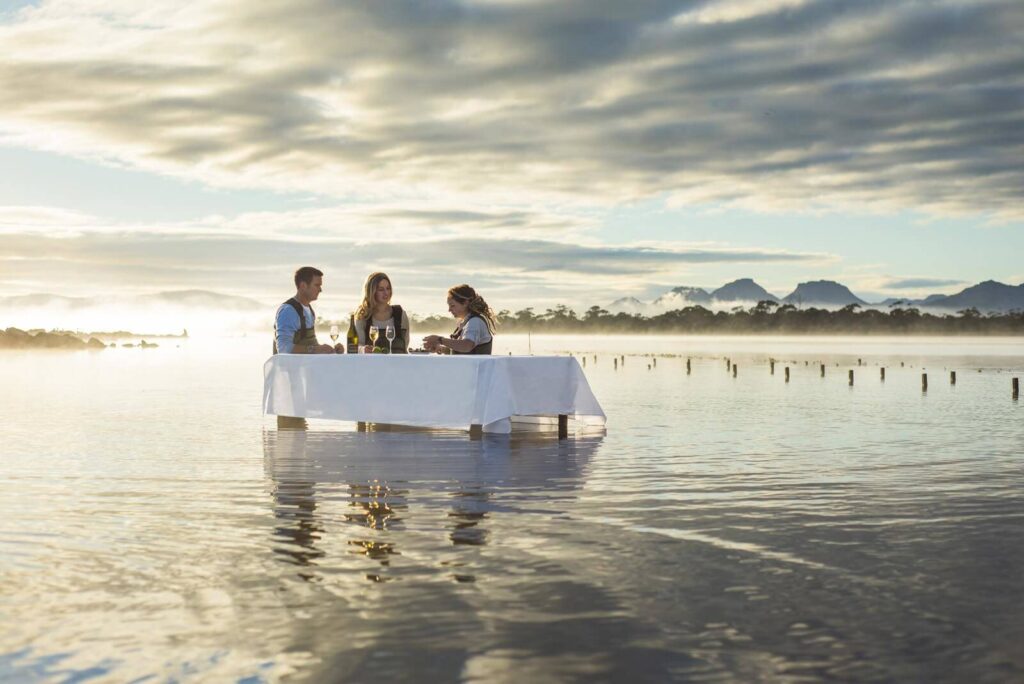
Coles Bay, Tasmania • Freycinet Peninsula • World’s Best Boutique Hotels
Situated on the edge of Freycinet National Park, with the towering pink granite Hazards Mountains behind it and the glistening Great Oyster Bay at its feet, Saffire Freycinet is one of Australia’s most stunning luxury hotels, a place where people not only appreciate nature but truly live in it. Signature Wild Wellness itineraries guide you on walks through pristine coastal wilderness, including the iconic Wineglass Bay Lookout Walk, which offers restorative spa treatments and farm-to-table dining featuring Tasmania’s finest seasonal produce. Activities include sea kayaking, on-site wildlife encounters with Tasmanian devils, guided bird watching and coastal walks led by naturalists. Saffir’s building is a towering glass and timber building designed to reflect the angles of the surrounding peaks, with the aim of making the boundaries between interior and exterior disappear. Voted the World’s Best Boutique Hotel and Australia’s Best Luxury Hotel, the hotel is extraordinary in every way and is a masterclass in landscape-led hospitality.
Maluya River Cottage
Murchison, Nelson Tasman, New Zealand • South Island • Qualmark GOLD Sustainable Tourism
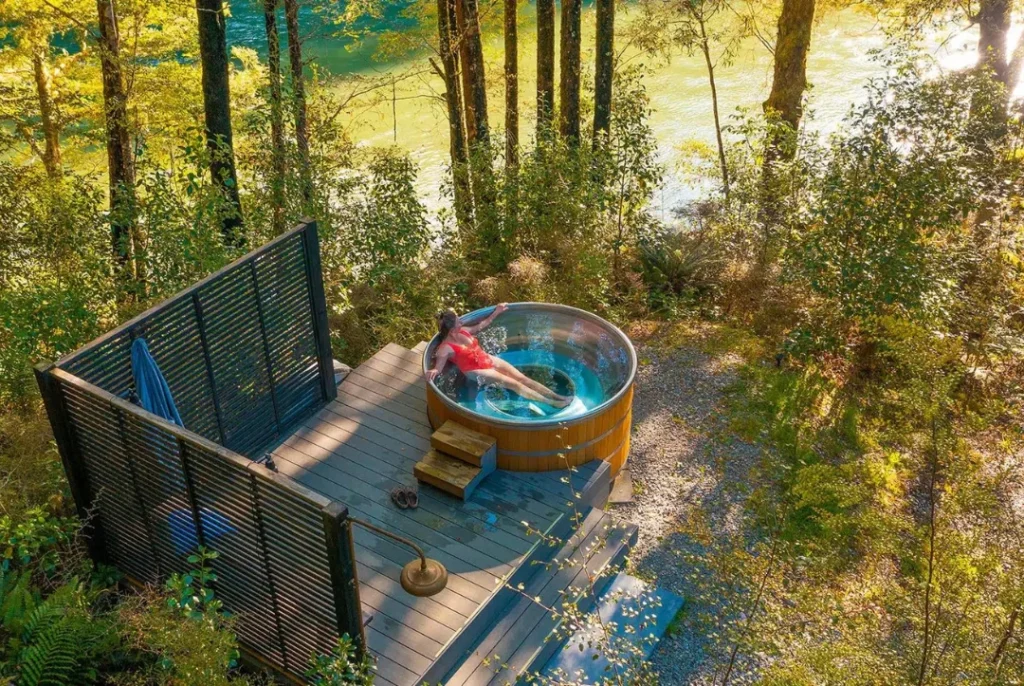
Set on a 500-acre private rainforest estate in New Zealand’s South Island and powered entirely by its own small hydroelectric plant, Maruia River Retreat is one of the country’s most immersive nature experiences. Beech forest trails lead directly from each villa; guided forest bathing sessions, yoga in purpose-built forest cabins, saunas and cold baths in the Maruya River, stargazing under one of the darkest skies in the southern hemisphere and sound ceremonies under the canopy make this a deeply rejuvenating getaway. The resort holds Qualmark GOLD certification – New Zealand’s internationally recognized standard for sustainable tourism – and everything here is built on the idea that spending time in nature is not a luxury but a necessity. Just 2 hours’ drive from Nelson and 3 hours from Christchurch, it’s a truly convenient choice for those looking for a South Island holiday.
The simplest prescription
There is a reason why these retreats exist and why they are so crowded. We are living in an age of profound disconnection from the natural world—our bodies tell us this in the language of chronic stress, poor sleep quality, weakened immunity, and mental exhaustion. The prescription is not complicated. It’s ancient, free, and available to all of us in some form every day.
Go outside. Take a walk in the forest. Sitting under the tree. Standing on the ridgeline, there is nothing between you and the horizon. Let phytobicides work their quiet, invisible effects on your immune system. Let your parasympathetic nervous system remember what it felt like to be on. Let cortisol drop.
When you’re ready for a more structured, immersive, and complete experience, one of these five extraordinary retreats awaits. Each built a world around the same simple yet radical idea: wild nature is medicine, without which we cannot survive.
“Nature is not the backdrop for health. It is the medicine itself.”
— Australian Spa and Wellness Center